
UHF RFID Tags
Select inlays or durable tags for the material, mounting surface, handling and encoding scheme. Link the identifier to the business record.
Identification Technology
Connect RFID readers, antennas, handheld devices and tags with operational software, business rules and enterprise systems.
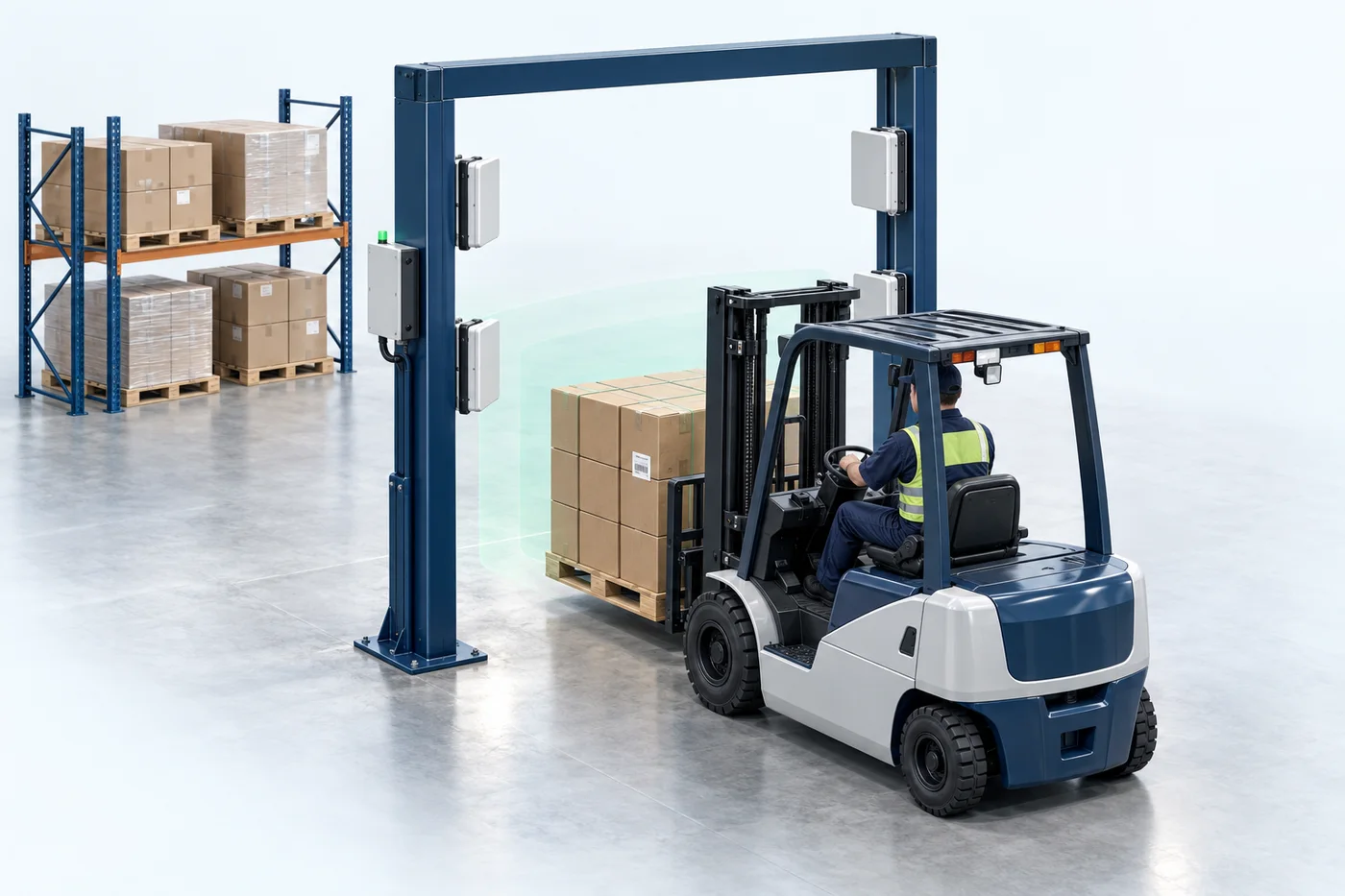
Radio identification becomes application data
Conceptual flow
Radio communication within a designed read zone
Observations filtered and associated with identity
Validated event mapped to a business request
A tag carries an identifier that a compatible reader observes through radio communication and an antenna. The reader event is evidence of a tag observation; software must still determine which asset or handling unit it represents and whether it belongs to the intended process.
CoEnablers integrates the device interface and the operational context around those observations. Middleware can filter repeats, apply read-zone logic and prepare events for a warehouse, asset or production application. The physical design and business validation are both necessary: more radio reads do not automatically mean more correct transactions.
Technologies
Select inlays or durable tags for the material, mounting surface, handling and encoding scheme. Link the identifier to the business record.
Connect supported reader interfaces at configured gates or zones; assess firmware, event format and network management.
Choose and position antennas to shape the intended coverage rather than simply maximize the area read.
Integrate inventory, search and verification tasks through the supported device or sled SDK.
Coordinate printing, identifier assignment and encoding verification so the visible label and tag refer to the same unit.
Normalize observations, filter duplicates and apply zone and workflow context before forwarding an event.
Plan configuration, connectivity status, diagnostic logs and recovery procedures for the actual reader estate.
| Consideration | Fixed RFID | Handheld RFID |
|---|---|---|
| Use when | Movement passes a defined portal, gate or zone | An operator inventories, searches or verifies tagged units |
| Capture | Automatic observations at installed infrastructure | Task-directed mobile reading |
| Design focus | Read-zone isolation, direction and movement validation | SDK support, count scope and operator feedback |
Use both where the process benefits. Barcode can remain the appropriate method at deliberate confirmation points.
Observe tagged units at controlled transitions and check them against the expected operation.
Keep a handling-unit identifier through production, storage and dispatch checkpoints.
Use appropriate fixed zones or handheld counts to verify tagged equipment and its recorded location.
Identify suitable tagged carriers or work units at selected stations; retain production order context.
Consider RFID when a tag can be installed on the vehicle and the reader zone is controlled. This differs from plate recognition.
RFID is not simply installing a reader and expecting every tag to be read. A site survey and physical tests should precede rollout.
Test the tag on the actual material, including metal, liquid and packaging effects. Orientation and attachment must survive normal handling.
Assess the required read distance, antenna orientation and likely travel paths. Coverage outside the intended zone can be as problematic as missed reads.
Evaluate nearby readers and sources of interference; tune permitted power and settings for the installation and applicable local requirements.
Define event windows and movement context. Do not discard a genuine return movement merely because the same tag was observed earlier.
Check connectivity, reader restart behavior and supported buffering. Retain enough source context to reconcile gaps or repeated deliveries.
Agree tag-to-business identity, expected workflow and posting authority. Reader events should not directly create unchecked stock changes.
It is radio-frequency identification in the ultra-high-frequency range. Industrial deployments combine compatible tags, readers and antennas with software that maps tag identifiers to business records. The selected equipment and configuration must suit the local deployment requirements.
It does not require optical line of sight as a barcode does. Materials can still block, absorb or reflect radio energy, so actual packaging, tag mounting and movement must be tested.
There is no single reliable distance for every installation. Tag type, reader settings, antenna placement, orientation and materials determine usable coverage. Design for the required zone rather than quoting a generic maximum.
Suitable systems can observe multiple tags in a read session. Completeness depends on tag population, dwell time and the environment. The application must still identify missing, unexpected and repeated observations.
Appropriate tags and mounting arrangements can be evaluated for metal surfaces. Ordinary labels may behave poorly in that setting. Trial the exact tag, attachment and surrounding equipment before choosing a design.
Middleware can turn validated read events into requests through interfaces available in the customer's SAP landscape. Tag identity, business transaction mapping and acknowledgement handling must be agreed first.
It is the software between the reader interface and the business application. It can normalize events, remove repeated observations, apply zone logic and expose a controlled event contract. The required functions depend on the process.
Fixed readers suit known transitions where infrastructure can control the read zone. Handhelds suit counting, search and exceptions that need an operator. A site may need both, with consistent identity mapping.
No. Barcode may be more practical for low-volume checks, documents or deliberate operator confirmation. Assess the physical task and integration requirement before deciding where RFID is useful.
Discuss your workflow
Share your tagged material, read points, reader models and enterprise interfaces so we can assess capture and transaction design.