
Raw-material movements recorded manually
Receipt may be posted while transfers between stores and the line remain on paper.
Manufacturing Automation
Create visibility from raw-material receipt through production, quality, warehouse movement and final dispatch.
CoEnablers combines RFID, barcode, mobile applications and enterprise integration to capture physical events across manufacturing operations.
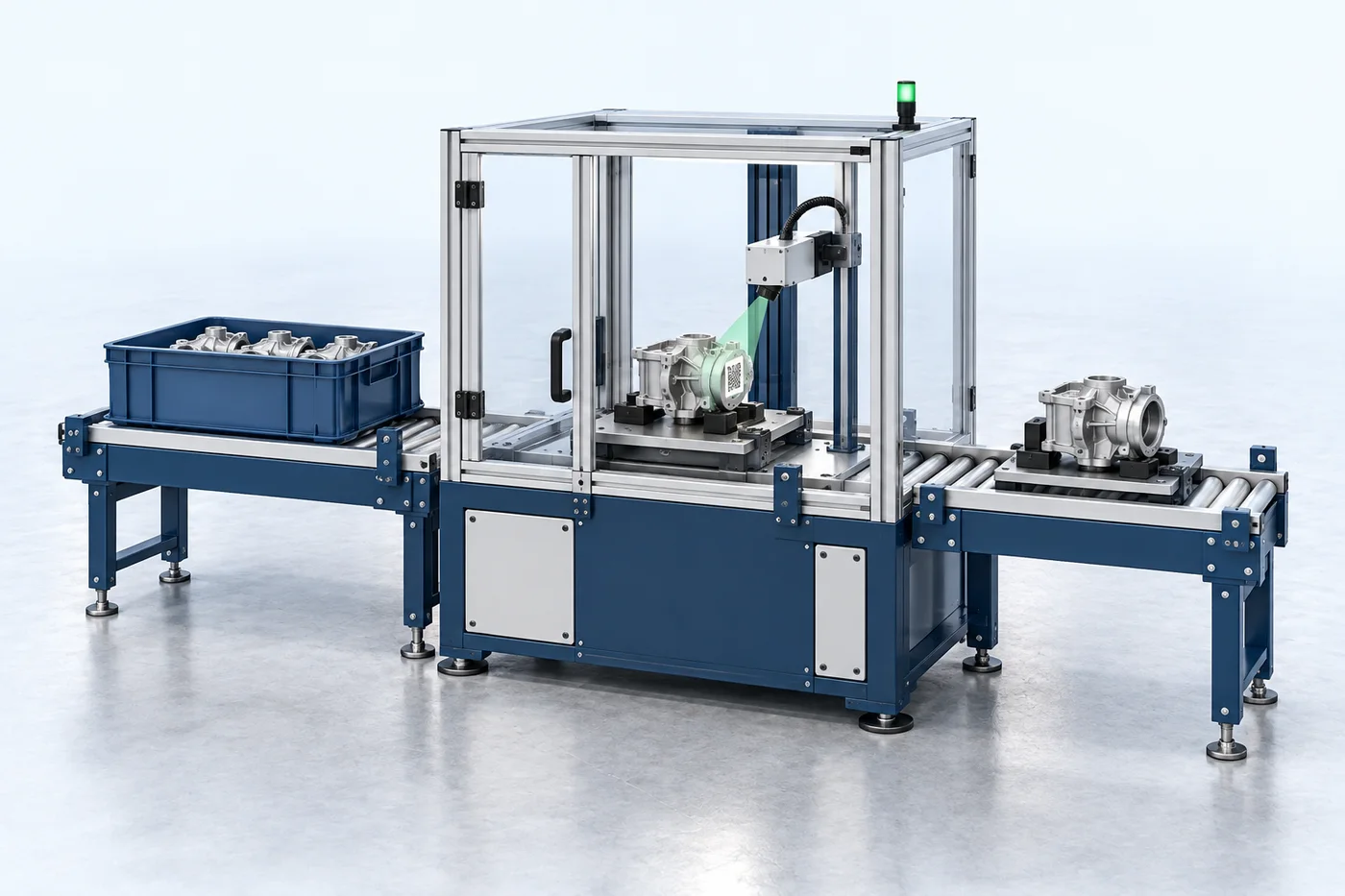
Material identity across the plant
Conceptual flow
Supplier lot → material identity
Production order → WIP → output
Finished goods → pallet → shipment
Receipt may be posted while transfers between stores and the line remain on paper.
A container on the floor does not tell planners which operation is complete or which order owns it.
Material can reach production before its issue is digitally confirmed, leaving availability out of step.
Input lots and finished output may be recorded separately without their consumption relationships.
Uncaptured pallet movement leaves completed goods waiting without a reliable storage location.
Manual investigation must join floor notes, quality records and stock transactions after the event.
Choose the capture method at each checkpoint. Sensors contribute only where the machine interface and process context are available.
Retain supplier and source-lot references.
Identify accepted material against the inbound record.
Confirm the storage location of the identified unit.
Check material against the production requirement.
Record intermediate identity and last confirmed stage.
Link consumed inputs to output and operation context.
Associate inspection disposition from the owning system.
Identify accepted output and packaging relationships.
Confirm the production-to-storage handover.
Validate pallets against the shipment.
Identify the lot or container and capture stores-to-line movement with order and operation context.
Record consumption, splits and output associations at the process stages where those relationships change.
Maintain handling-unit identity as output is packed, staged and transferred to the warehouse.
Keep tool custody, issue and return separate from stock consumption while linking the relevant work area.
Confirm quantity, status and location with both teams using the same output references.
Verify outgoing material and connect the shipment to a yard visit where vehicle workflows are required.
Automatic capture
Evaluate tagged containers and pallets at controlled transitions, testing metal, orientation and line speed.
Use supported signals for process context; a presence sensor alone cannot identify consumed material.
Operator capture
Use deliberate scans for material issue, operation checks and exceptions requiring an operator decision.
Create durable output and WIP labels with identifiers owned by the agreed enterprise process.
Site logistics
Add supplier-truck entry and exit events when the plant scope includes gate or yard operations.
Map the current material flow with stores, production, quality and IT. Agree the unit being tracked at each step: a lot, container, serialised component or pallet. Identify where that unit is divided, consumed or repacked; these are the points where a simple location scan is insufficient.
A practical first scope might connect material issue to WIP and finished-goods handover. Define the authoritative order and status records, the exception route and the evidence needed to reconcile a shift. Extend the capture points after operators can use the workflow and enterprise postings can be checked.
Raw materials, WIP, batches, pallets, finished goods, tools and equipment can have distinct tracking records. Choose the identification level and checkpoints for each; stock, reusable assets and production output should not be treated as the same transaction type.
It can suit tagged carriers or materials at defined stations. Tag survival, metal, liquids, movement speed and nearby read zones need a physical trial. Barcode or operator confirmation may remain appropriate at other stations.
Associate an intermediate unit with its production order and capture stage changes. Record whether an event means arrival, operation completion or quality hold so planners do not mistake movement for completed work.
Yes. A plant can scan material at issue and use RFID for a carrier transition. Both identifiers must resolve to the same material or handling-unit record, with duplicate transaction handling.
Map floor events to supported order, consumption and confirmation interfaces. Agree which system owns each status, and retain acknowledgement or rejection details so production and IT can reconcile failures.
Where the process captures input-to-output associations, a finished lot can be followed back to its source lots. Mixing, substitutions, splits and rework need explicit records; missing historical associations cannot be recovered from labels alone.
Yes, when the output identity and packaging links are preserved at handover. Warehouse receipts and pallet movements should reference the same finished-goods records and status agreed with production.
There is no universal replacement approach. CoEnablers can complement an MES with device integration and physical event capture while scheduling, recipes, execution control and production approvals remain in the existing system.
Discuss your workflow
Share your material flow, production stages and current ERP/MES environment. We can help identify where physical events should be captured and integrated.