
Batch identification
Material labels must resolve to the intended lot and enterprise record throughout handling.
Pharmaceutical Operations
Track identified material, batches, pallets and warehouse movements using barcode, RFID and mobile workflows integrated with enterprise systems.
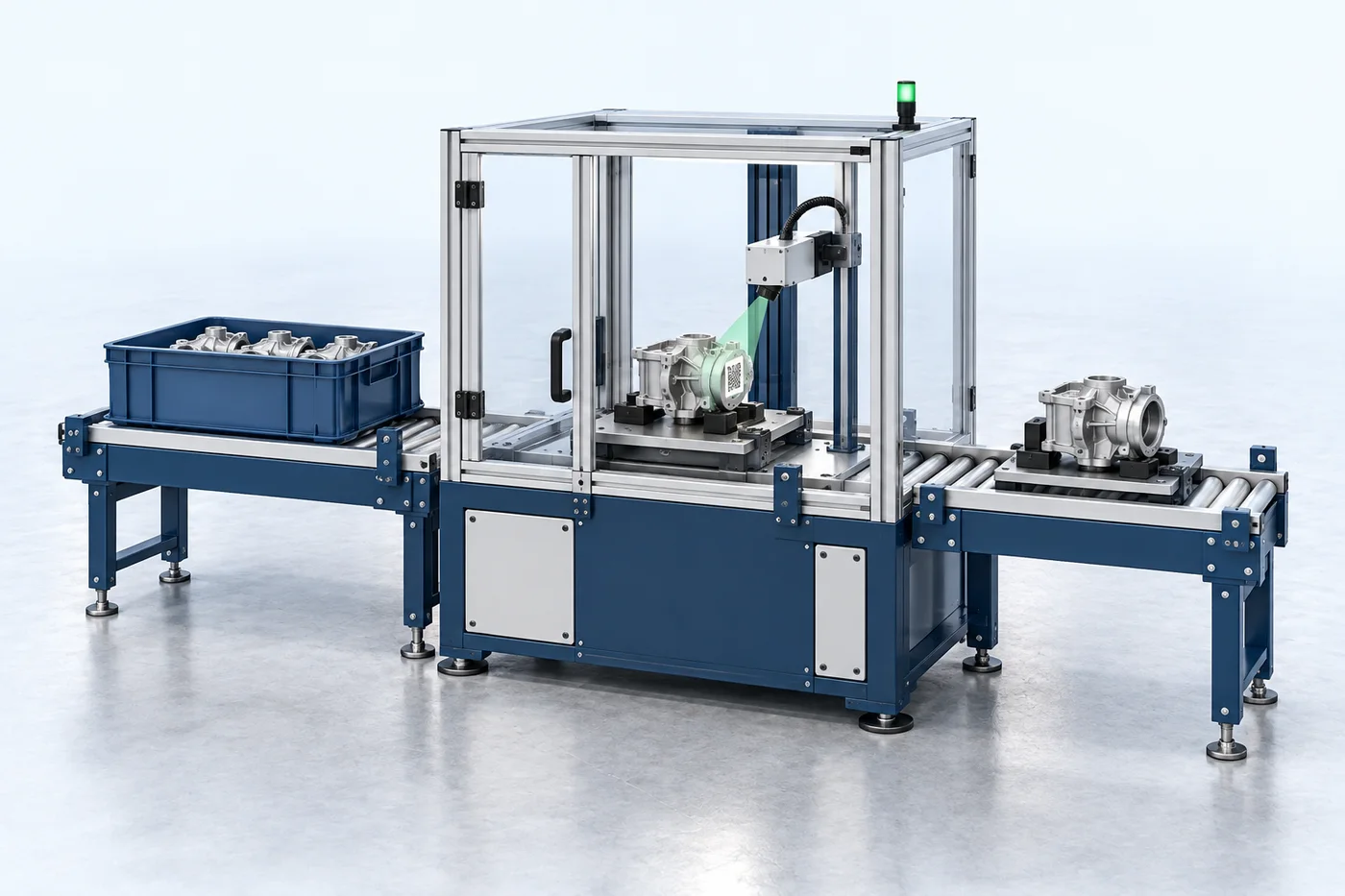
Identity travels with material status
Conceptual flow
Lot + batch + expiry reference
Current status + permitted destination
Confirmed movement + enterprise result
Material labels must resolve to the intended lot and enterprise record throughout handling.
Picking needs usable expiry data and the allocation rules defined by the owning system.
A readable label still needs to be checked against the selected material and destination.
Hold or release status can be missed if mobile tasks operate on stale or incomplete records.
Packaging associations may be lost when stock is consolidated or repacked.
Physical movement evidence needs to be connected to ERP/WMS results and any subsequent correction.
The customer defines the allowed transitions and approval authority. A quality/status checkpoint references that process and does not imply automatic release.
Retain supplier, item and source-lot references.
Associate a durable label with batch and expiry data.
Read the disposition available from the authorized system.
Confirm permitted warehouse location.
Check material, status and allocation requirements.
Capture relevant consumption and output associations.
Preserve output lot and packaging references.
Confirm pallet and location handovers.
Validate permitted outgoing stock and retain the result.
Associate identifiers with the relevant item, lot and label template; control reprints so identity is retained.
Scan the material and intended location before confirming a permitted transfer.
Maintain the relationship between handling units and their contents, including recorded repacking changes.
Compare scoped physical observations with enterprise stock while keeping discrepancies available for review.
Read or retrieve expiry references and validate their format; allocation policy remains an enterprise workflow decision.
Retain the source, time and status context of a movement, including correction references.
Exchange approved material events and expose rejected or pending postings for reconciliation.
Link warehouse issues and production output where input-output relationships are captured in the agreed scope.
RFID performance can be affected by liquids, metal and packaging. Test candidate tags on the actual container, including how it is stored and handled. A successful read in an empty aisle does not establish performance on a loaded pallet or through every packaging configuration.
Barcode remains practical for many controlled workflows because the operator deliberately selects the material and location. Label durability, cleaning exposure, print contrast and scanning ergonomics matter. Hybrid identification may suit a pallet transition while retaining barcode confirmation at item level.
Environment and process validation must be considered alongside technology. The project needs customer requirements, system architecture, process controls, documentation and an agreed validation scope. CoEnablers can support traceability workflows and can design integration with validated enterprise processes; project acceptance remains dependent on the customer's quality and validation requirements.
It may suit identified pallets or containers after testing the material, liquids, metals and packaging. Selection also needs to account for label or tag durability and the customer's process and validation requirements.
They can share the same material or handling-unit identity. Barcode can retain deliberate verification while RFID supports suitable pallet transitions. Rules must distinguish observations from approved stock movements.
It can be read from an appropriate label or retrieved from the enterprise record associated with the identifier. Define field formats, source ownership and checks for missing or inconsistent data before using it in allocation decisions.
Where suitable interfaces exist, validated movement requests can be submitted with batch, location and handling-unit references. Store posting results and reconcile rejected requests instead of assuming every captured movement was accepted.
Yes, when status is available from an authoritative source and its freshness requirements are met. The customer defines permitted transitions and release authority. Scanning a label does not itself authorize release.
Regulatory validation depends on project scope, customer quality systems, infrastructure and documented validation requirements. Requirements, architecture, process controls, documentation and validation responsibilities must be agreed for the project; this page makes no certification or compliance guarantee.
They can have persistent identifiers with contents and movement associations. Repacking or changing a container's contents needs an explicit record so historical batch relationships remain traceable.
It can when material issues and production consumption/output references are captured and connected. The required detail and acceptance criteria should be defined with the customer's production and quality teams.
Discuss your workflow
Share your material identification, batch, warehouse and enterprise-system requirements so we can evaluate the appropriate architecture.