
ANPR
4 min readHow ANPR Camera Integration Works
How ANPR cameras expose recognition events, the common integration methods, and how duplicate events, vehicle matching and entry/exit logic are handled in practice.
By CoEnablers Engineering · Published September 19, 2026
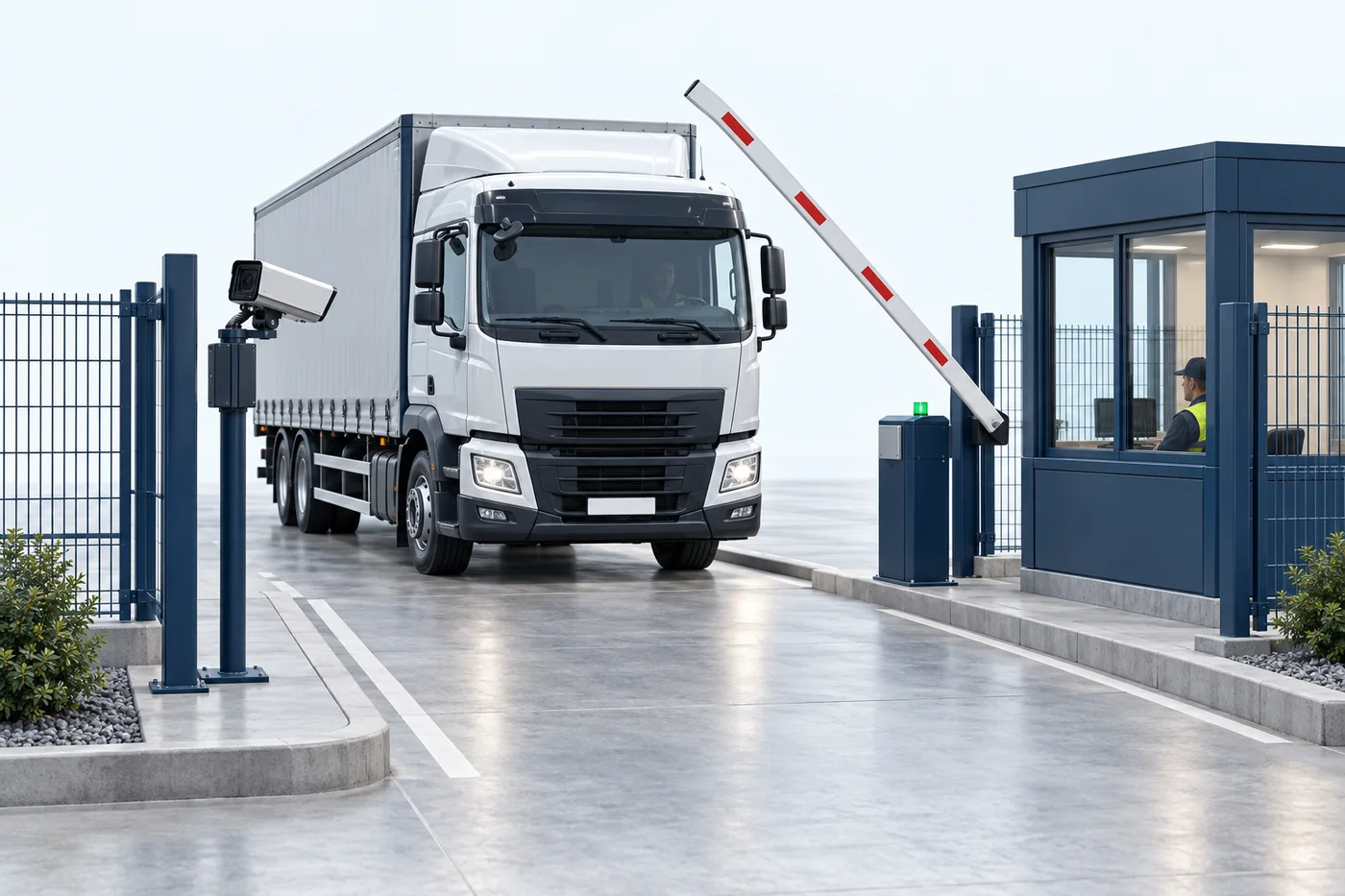
What ANPR Produces
An ANPR camera's core output is a plate-recognition event: a recognized plate string, a timestamp, and usually camera metadata such as a camera identifier and, depending on the model, a confidence score. Many cameras also produce or can be configured to produce an associated image event, a snapshot of the vehicle at the moment of recognition, which is useful for verification but is a separate piece of data from the plate text itself.
Common Integration Methods
How a camera exposes these events to the outside world varies significantly by manufacturer and model. Common methods include an HTTP webhook that the camera calls when it recognizes a plate, a vendor-specific API that a backend system polls or subscribes to, an SDK provided by the manufacturer for tighter integration, FTP delivery of event files, or retrieval through an NVR or VMS that aggregates events from multiple cameras. Not every camera exposes every method, and confirming which interface a specific model actually supports is a necessary step before designing the integration, not an assumption to make in advance.
Cloud vs Local Backend
The system consuming these events can run on-site or in the cloud. An on-site backend reduces dependence on external connectivity and can offer lower latency for time-sensitive actions like opening a gate, while a cloud backend can simplify central management across multiple sites. The right choice depends on network reliability at the site, latency requirements for the action being triggered, and any data-residency requirements that apply.
Duplicate Events
A single vehicle pass can generate more than one recognition event, particularly if a camera captures several frames as the vehicle moves through its field of view. An integration layer typically deduplicates these using the plate value and a time window, similar in principle to how RFID reads are deduplicated, so one physical pass results in one logical event rather than several.
Vehicle Matching
A recognized plate is more useful once it is matched against an expected record: an approved vehicle list, an expected delivery or visit, or an active shipment. This matching step is what turns "a plate was read" into "an expected vehicle arrived," and it is also where an unrecognized or unexpected plate should be routed to a defined exception path rather than a default action.
Entry/Exit Logic
Determining whether an event represents an entry or an exit typically depends on which camera captured it, and in some layouts on the direction the vehicle was travelling at the point of capture. This usually requires deliberate camera placement and configuration for each monitored point rather than something the recognition event alone can tell you.
Common Network Problems
The camera needs a reliable network path to wherever events are being sent. Common issues include the camera not being reachable from the integration layer's network segment, HTTPS or certificate requirements that the camera or the receiving endpoint does not meet by default, and firewall rules that block the specific method the camera uses to deliver events. These are usually resolved by involving site IT early, rather than after the camera is already installed.
Security Considerations
Because a validated ANPR event can trigger a physical action, such as opening a gate, the integration should authenticate and, where possible, encrypt the event delivery path, and should not treat every incoming event as inherently trustworthy without validating its source and format.
Example Architecture
A normalized event, regardless of which camera or interface produced it, might look like this once the adapter has processed it:
{
  "plate": "XX00XX0000",
  "timestamp": "2026-09-19T08:42:11Z",
  "cameraId": "gate-north-01",
  "direction": "ENTRY"
}
This normalized shape is what the rest of the backend consumes, regardless of whether the original event arrived as a webhook payload, an API response or an FTP file, which is the point of the adapter layer: the business workflow does not need to know which camera model or interface produced the event.
Conclusion
ANPR integration is less about the camera's recognition accuracy, which is largely fixed by the hardware and vendor software, and more about the adapter layer that normalizes, deduplicates and validates events before they reach a business workflow. Getting that layer right is what turns a camera log into a system you can actually build gate, yard or dispatch logic on.
Related Solutions
Related Implementation Examples
Related Insights
Discuss your workflow
Have a Tracking or Automation Requirement?
Tell us about your current workflow and what you need to track. We can help determine the right combination of software, RFID, barcode, ANPR or other technologies.